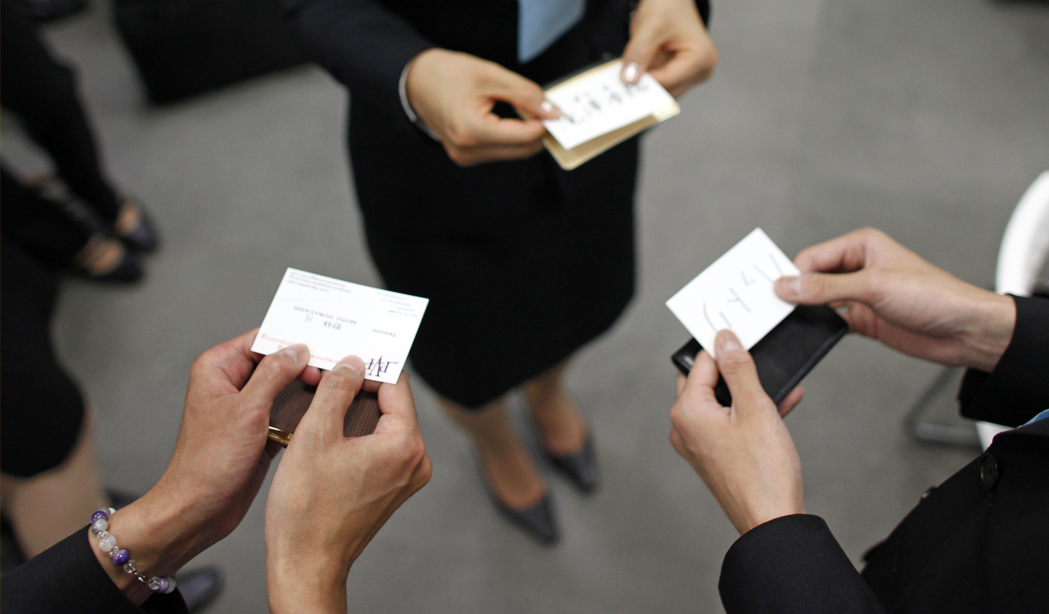
Yes, in business everything we do digitally, like sending contacts, emails, networking and attending virtual meetings. However, a business card is yet not replaced fully digitally, and it is still important in this digital world. A well-designed business card remains one of the simplest, most affordable tools for making a strong first impression and building real business relationships, and it works just as well for a solo founder as it does for a large corporate team.
Exchanging Contacts with your Business
Real relationships begin when you exchange your business card with each other. It is an authentic, actual conversation with eye contact as a human, and that builds trust with each other. Along with your contact details, you also exchange your brand or business identity as well, so the design and quality of your card speak on your behalf long before a follow-up email ever gets sent. A cheap-looking or cluttered card can undo the trust you just built in that first handshake.
Most Effective and Direct Marketing Tool
A business card is one of the most effective and direct marketing tools, arguably more so than digital marketing in the moment it matters most. In a business meeting, a handshake along with a business card exchange is direct and effective. Since it is easy to keep with you in your pocket or laptop bag, whenever you find scope to meet a new business person at industry conferences, trade-shows, or airport lounges, you can make a valuable business connection instantly with your business card, without needing Wi-Fi, an app, or anyone’s phone number in advance.
A Brand Impression of Your Business
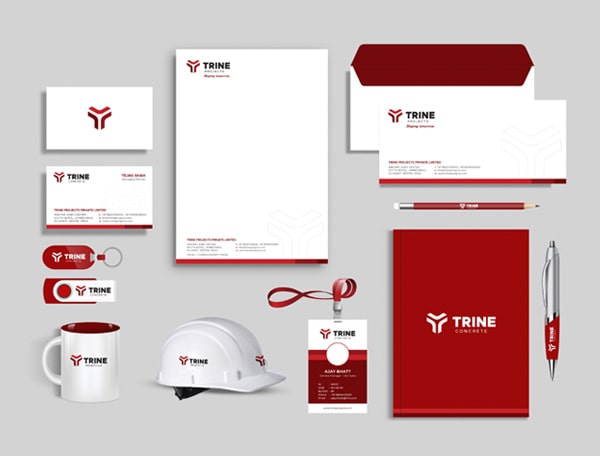
Every business has an identity, and that identity appears on its business card. A good-looking business card makes a great first impression, so make your business card design expansive enough to reflect your brand logo and brand identity properly. Along with your contact information, your card should also present your business values. Consistent use of your brand colors, fonts, and logo across your card, website, and other marketing collateral makes your business instantly recognizable. You can also print a QR code on the business card so the person can open your website quickly and get more information about your services or products, turning a small piece of paper into a direct bridge to your digital presence.
Physical Cards Are More Memorable
While you meet someone and exchange mobile numbers, that number is often remembered only for a day or a month, and after that, people sometimes forget the person’s name or business altogether. But when you exchange a physical business card with each other, it tends to be remembered for far longer, especially if the card is special and attractive. Even if someone forgets your name or number, they can still find your card with your brand logo and colors sitting in their cardholder a year later. A card with a thoughtful finish, like textured paper or a spot-UV logo, makes that memory even stronger.
The Rise of Digital Business Cards
As business increasingly moves online, digital business cards have also started gaining popularity for sharing contact details instantly through a phone or QR code. They are convenient for quick virtual introductions and are easy to update whenever your role or contact details change. However, digital cards still cannot fully replace the personal, tangible experience of handing someone a well-designed physical card in person. Many businesses today use both together: a digital card for speed and follow-ups, and a printed one for the lasting, in-person impression that stays in a wallet or on a desk.
So keep your business card with you always, and make sure its design genuinely reflects your brand every time you hand it over. If your current card no longer matches your brand or feels dated, it may be time for a refresh from a professional design team that understands both print and digital identity.
Yes. Even with digital networking tools, physical business cards create a personal, memorable connection that a saved contact or LinkedIn request often can't match. A well-designed business card reinforces your brand identity every time you hand it to someone.
A strong business card design should reflect your brand logo, brand colors, and typography consistently, along with clear contact details and, optionally, a QR code linking to your website. Keeping the design clean and uncluttered helps it leave a lasting impression.
Digital business cards are growing in popularity for quick, contactless sharing of contact details, but they haven't replaced printed cards entirely. Many businesses use both together, pairing a digital card for convenience with a printed one for the lasting, personal impression it leaves.