If someone doesn’t know you personally, will they trust you enough to do business with you just by visiting your website? For any business investing in website design today, that question sits right at the center of building a website that builds trust.
Most people view organizations, and websites, they don’t know with great skepticism. Given all the identity theft and viruses running around, people are understandably cautious and somewhat skeptical when they go to a new website. A few extra seconds of doubt is often all it takes for a visitor to click away and never come back, which is why trust signals matter just as much as good looks. Trust also has a direct impact on sales, enquiries, and search rankings, since search engines increasingly reward websites that visitors find credible and safe to use.
What can you do? Here are four tips on how to create a website that builds trust and keeps visitors around long enough to become customers.
Provide Your Contact Information
Your visitor wants to know that there is a real person somewhere behind your website. Ideally, put a real person’s name, full postal address, e-mail, and telephone number. Some of your visitors will want to communicate with you. Make it easy for them to do so.
A dedicated contact page, a click-to-call phone number, and a simple enquiry form all reinforce that a real business, not a faceless page, is on the other end. This is one of the simplest, most overlooked website credibility factors, and it costs almost nothing to add.
Post Testimonials
You say: “Our website is the greatest.” Your customer thinks, “Yeah, right.” Every business toots its own horn, and most people don’t believe a word of it. But when your customers sing your praises, it has much more credibility. Make sure that you ask your customers for short, specific testimonials.

Service or product driven websites, built for satisfaction
You can even ask a specific customer to speak about a particular experience with your company that pleased them. The more guidance you give people in writing these, the more helpful they will be to your visitors, since they are looking for others who have had dealings with you like they may have.
Put these testimonials throughout your website and include as much contact information about that customer as they will allow. Ideally, include their picture, full name, and phone number or e-mail address, though clearing it with them first is always a must. As mentioned above, the more details you provide to show there’s a real person behind that testimonial, the more credibility your viewer will place in it. Video testimonials and reviews linked from Google or third-party review sites add another layer of proof that your business delivers on its promises.
Provide a Guarantee
Who wants to get stuck making a bad purchase? Providing a guarantee helps put your potential customers at ease and makes buying from you that much more inviting. The longer and more iron-clad your guarantee, the better. If your competitors offer a 30-day guarantee with a restocking fee, why not offer a 60-day guarantee with no fees at all?
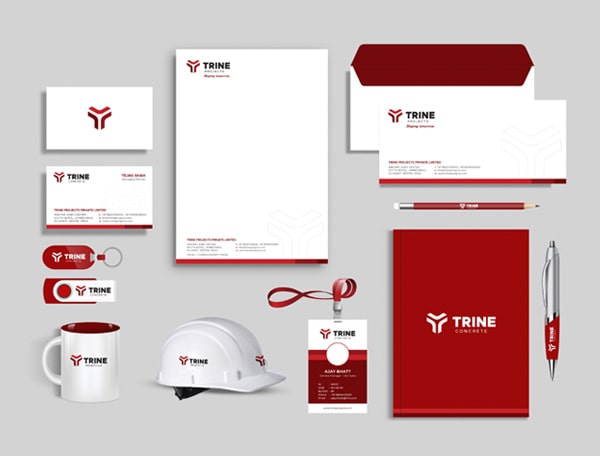
A clear, generous guarantee tells a first-time visitor that you stand behind your work. For a design or development agency, that might mean a revision policy or a post-launch support window, exactly the kind of confidence a professional brand identity should project.
Be Nice
For goodness sake, be nice to people! Your potential customers don’t know as much about your product or service as you do. They may ask what seem like dumb questions, many times. That’s okay. Answer them courteously, honestly, and promptly, even if you’re having one of those weeks. Let’s face it: you want them to be willing to hand over some of their hard-earned money, so it’s always to your advantage to entertain what may seem like the most outrageous inquiries.
Prompt, friendly replies, whether through email, a contact form, or live chat, quietly build the kind of trust that keeps people coming back long after their first visit.
When you create a website, make sure that you follow these four tips to build trust. Building a genuine website and brand identity is only half of the battle. Your website will attract people to your business, but building trust, confidence in your products and services, and, if you’re lucky, a real relationship with a person, is what keeps them coming back. That’s the whole idea behind a website that builds trust, and it’s worth getting right from day one.
A website that builds trust gives visitors clear contact information, real customer testimonials, and a straightforward guarantee. These trust signals reassure a stranger that a real, responsive business is behind the site, which is the first step toward turning a visitor into a customer.
Testimonials add third-party credibility that a business can't create on its own. Specific, detailed testimonials, ideally with a name, photo, and real experience, help visitors see that other people have trusted the business and been satisfied with the result.
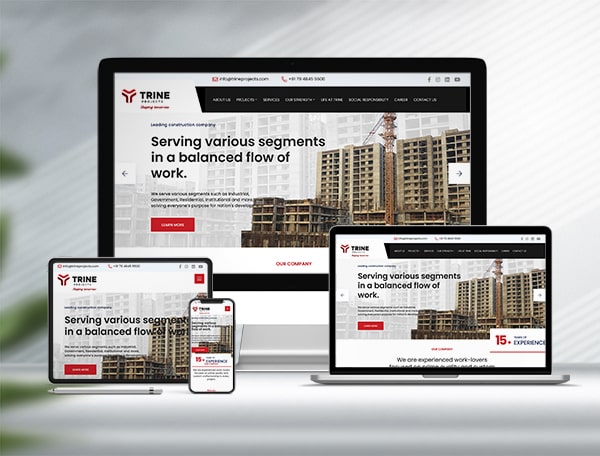
Kumbh Design's website design and brand identity design services help businesses build professional, credible websites with clear contact pages, testimonial sections, and consistent branding that reassures visitors from the moment they land on the page.