For a large or medium-sized organization, a logo is not just an identity. To build a brand identity design, a company needs a combined vision and design that helps establish the brand in the market and in the eyes of the consumer.
What Is a Brand?
In simple terms, a brand is the faith and trust of a consumer’s belief. We are proud to use and trust so many products and services around us every day, and that trust is exactly what a brand represents.
What Is an Identity?
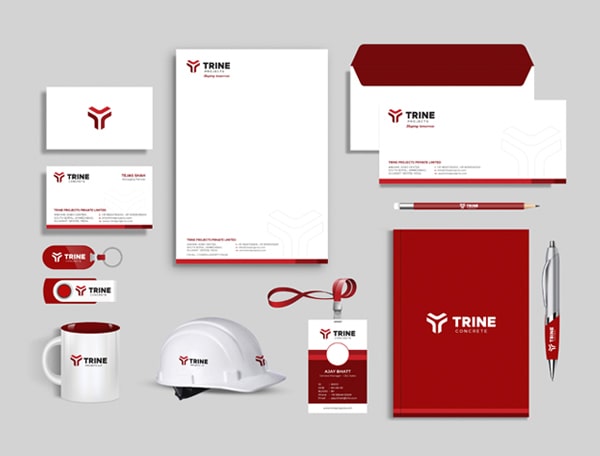
An identity is the visual campaign that represents a company. It is the style guideline used as a framework for campaigns across stationery, marketing collateral, packaging, signage, digital projects, and many more.
A Logo Comes First
To create a brand identity design, a company first needs a stunning logo design. A logo can be an icon (a mark or symbol), text-based, or a combination of both. It should be simple enough to be used across any application without hassle.
One well-known example is the Firefox logo by Martijn Rijven of Bolt Graphic — a reminder that even a single, well-crafted mark can carry an entire brand’s personality. Getting this starting point right matters, since every other part of the identity system is built around it. An icon-only mark works well once a brand is already recognized, a wordmark is often the safer choice for a newer company that still needs its name to do the talking, and a combination mark gives flexibility to use either piece on its own later. This is why many organizations choose to work with a dedicated logo design team rather than treat the logo as an afterthought.
Building a Brand Identity System
Once the brand logo design is ready, the process of identity visualization begins. The purpose of this identity is to shape a methodical visual design around the brand logo. A visual design campaign is then created around the logo, using a color theme that suits the company’s business and logo.

Designing a Brand Identity That Builds Customer Trust
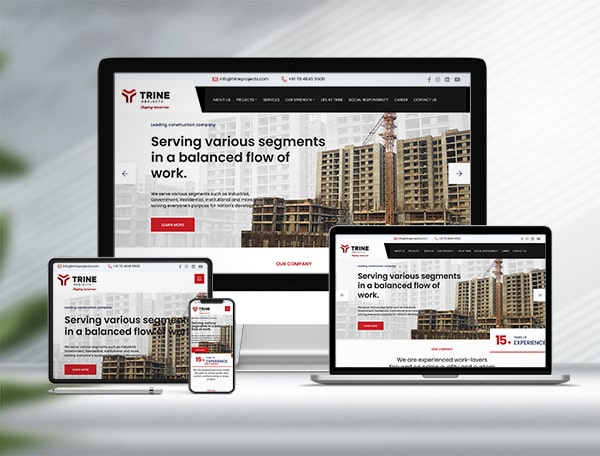
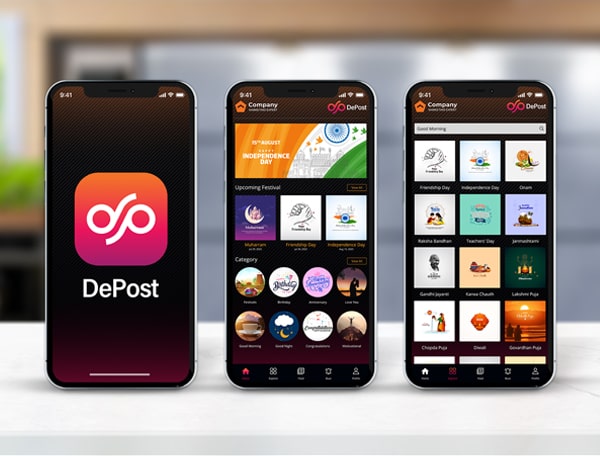
This is also where the supporting elements come in — typography, imagery style, and layout patterns that repeat across every piece a company puts out, from a brochure design to product packaging design. A consistent brand identity design makes a company instantly recognizable, whether a customer is looking at a business card or a billboard.
Why Brand Style Guidelines Matter
Brand style guidelines are very important for the growth of any brand. They include logo usage, typography, color scheme, layout style, and many more. According to these brand guidelines, an entire campaign can run consistently across markets and regions.
Here is a look at the style guidelines of the popular Walmart brand.
Without a documented set of guidelines, even a well-designed logo can end up used inconsistently — stretched, recolored, or placed on backgrounds that clash with the rest of the brand. A style guide keeps every designer, vendor, and marketing team working from the same playbook, so the brand looks the same whether it is printed on a sign, uploaded to social media, or handed to a new partner for the first time.
Common Brand Identity Mistakes to Avoid
A few habits tend to weaken an otherwise strong brand identity design. Using too many color variations across different materials is one of the most common — a palette only works as a system when it is used the same way everywhere. Changing the logo’s proportions to fit a tight space is another, since stretching or squeezing a mark undermines the careful balance it was designed with.
Skipping a written style guide is a third mistake. Without one, every new designer, printer, or marketing hire ends up making their own judgment calls, and small inconsistencies add up over time until the brand starts to feel disjointed rather than deliberate.
Getting Your Brand Identity Right
A strong brand identity design does more than look good — it builds recognition and trust over time. If a company’s logo, color palette, and style guidelines don’t yet work together as one system, it is worth revisiting the full visual identity before the next campaign.
Kumbh Design Inc. works with growing organizations on logo design, brand identity design, and the broader visual systems that keep a brand consistent everywhere it appears. To discuss your brand identity, write to online(at)kumbhdesign.com.
A logo is a single visual mark — an icon, a wordmark, or a combination of both. Brand identity design is the complete system built around that logo, including the color palette, typography, and style guidelines that keep every touchpoint consistent.
Style guidelines document exactly how a logo, colors, and typography should be used across stationery, packaging, signage, and digital platforms, so the brand looks and feels the same no matter who is designing the next piece.
Timelines vary with scope, but most brand identity design projects move from logo concepts to a finished style guide in a few weeks once the brand's positioning and target audience are clear.